
Lessons from the Field That Shape Better Design
In architecture, much of the work begins in the office. Drawings are developed, details are refined, and systems are coordinated. On paper, everything can appear resolved.
It is not until construction begins that a project is truly tested.
The field introduces a level of reality that cannot be fully replicated in design. Materials behave differently than expected. Existing conditions reveal themselves in ways that were not visible during initial assessments. Coordination between trades becomes more complex as systems are installed in real space.
These are not exceptions. They are part of the process.
One of the most valuable lessons the field provides is how buildings actually come together. Details that seem straightforward in drawings must be constructed by multiple trades, often under tight timelines and site constraints. Even well-coordinated documents require interpretation, adjustment, and collaboration during construction.
On the Hanover Public Administration Building renovation, this became clear early in construction. After selective interior demolition, it was discovered that the existing upper floor was not level. This condition was not apparent during initial surveys but had a direct impact on the installation of new finishes. Working closely with the Owner, Contractor, and flooring subcontractor, the team determined that the existing subfloor could not support the new flooring system. The solution required a primer application followed by a full installation of fiber-reinforced self-leveling underlayment across the entire upper floor. Situations like this reinforce that field conditions often reveal complexities that cannot be fully understood until construction is underway.
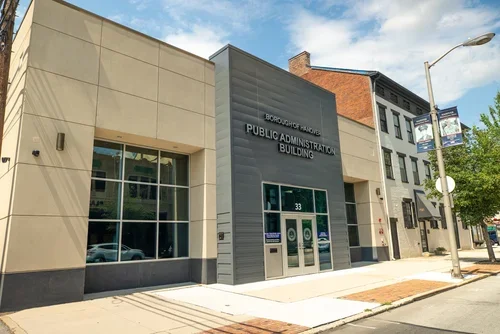
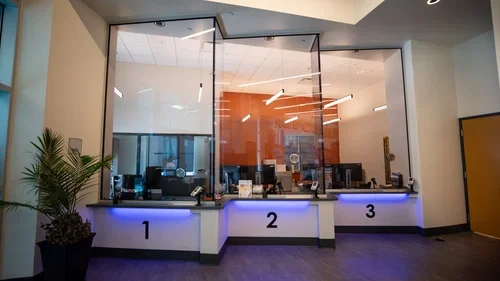
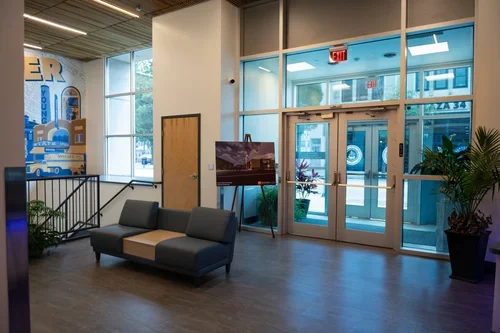
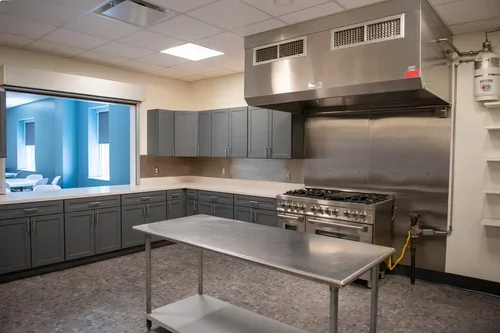
Hanover Borough’s new Public Administration Facility at 33 Frederick Street is complete. This adaptive reuse project transformed an existing office building into a centralized, accessible municipal hub, improving workflows, public access, and coordination between departments while supporting the Borough’s long-term vision for a unified municipal campus.
The field also reinforces the importance of constructability.
A design solution is only successful if it can be built efficiently and correctly. This includes understanding sequencing, access, material limitations, and installation methods. What works in theory does not always translate directly to the field, and experience in construction helps inform better decisions during design.
Another key takeaway is the value of communication.
Construction is a collaborative process. Architects, engineers, contractors, and owners must work together to address questions, resolve conflicts, and keep the project moving forward. Clear communication in the field helps prevent delays, reduces risk, and ensures that the design intent is maintained.
This was evident on the 44 Frederick Street Public Safety Building renovation in Hanover. During demolition, it was discovered that the structure in two bays at one end of the building spanned in a different direction than indicated in the existing drawings. The original design had assumed a consistent structural system throughout, so this discrepancy required a quick response. The team adjusted the layout to work with the existing bearing conditions and coordinated closely with structural engineers to minimize scope changes and avoid unnecessary replacement of structural elements. Strong communication and collaboration between team members allowed the issue to be resolved efficiently and kept the project moving forward without significant disruption.
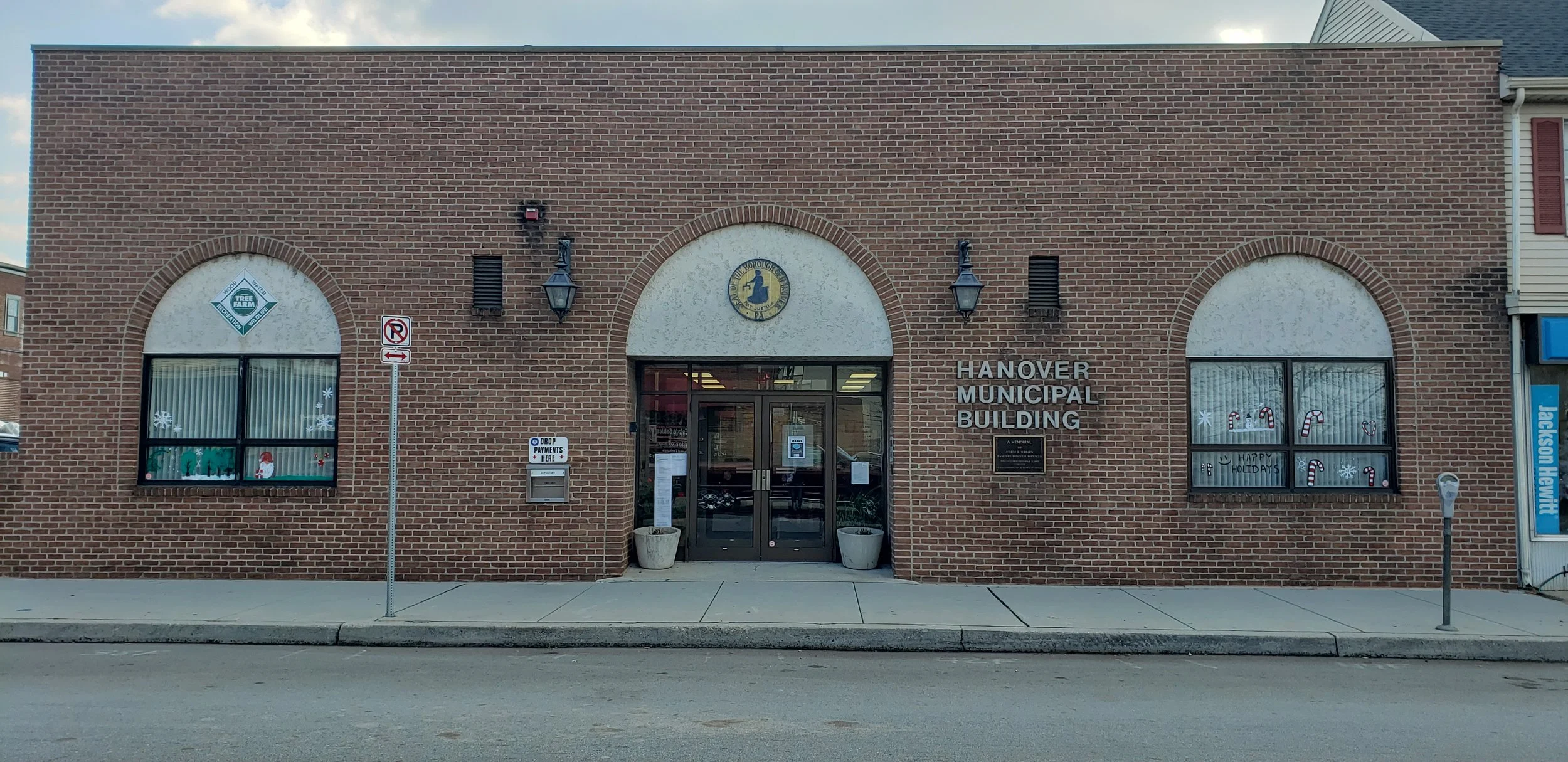
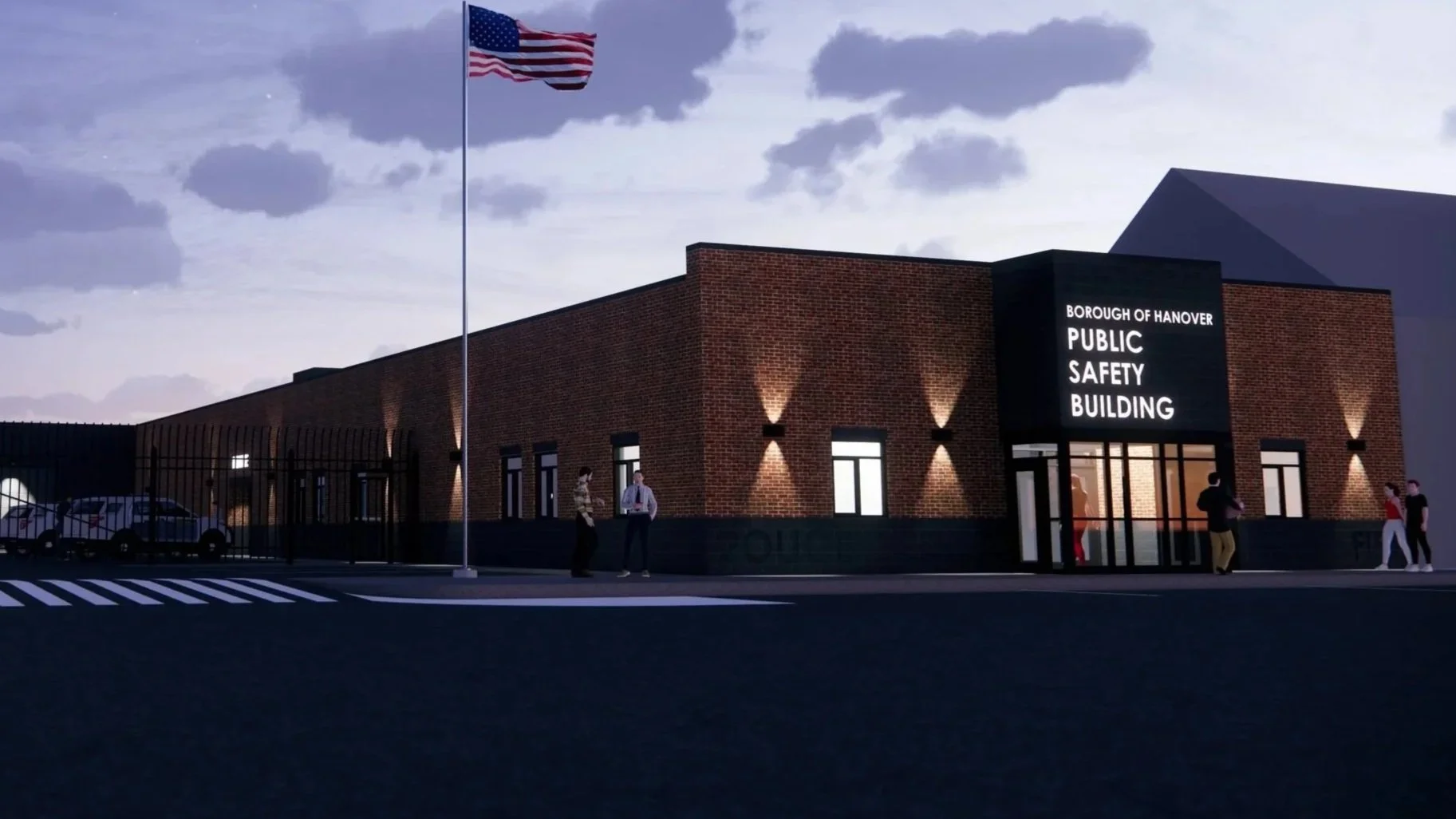
Transforming Hanover’s former municipal building into a modern Public Safety Facility at 44 Frederick Street. The renovation reconfigures the building to support secure operations, efficient workflows, and the day-to-day needs of the police department, including controlled public access, dedicated support spaces, a secure vehicle sally port, and an indoor firing range.
The field also provides a better understanding of how buildings perform over time.
Seeing how materials wear, how systems operate, and how spaces are actually used offers insight that cannot be gained from drawings alone. These observations influence future projects, leading to more durable, efficient, and functional designs.
For younger professionals, time in the field is especially valuable.
It bridges the gap between theory and practice. It builds an understanding of construction methods, terminology, and problem-solving in real time. It also provides context for why certain design decisions matter.
For more experienced architects, the field remains just as important.
It is where design intent is carried through to completion. It is where challenges are addressed and solutions are refined. It is where a project ultimately succeeds or falls short.
Architecture does not end when drawings are complete.
It continues in the field, where ideas are tested, adjusted, and built into reality. The lessons learned there shape not only the project at hand, but every project that follows.